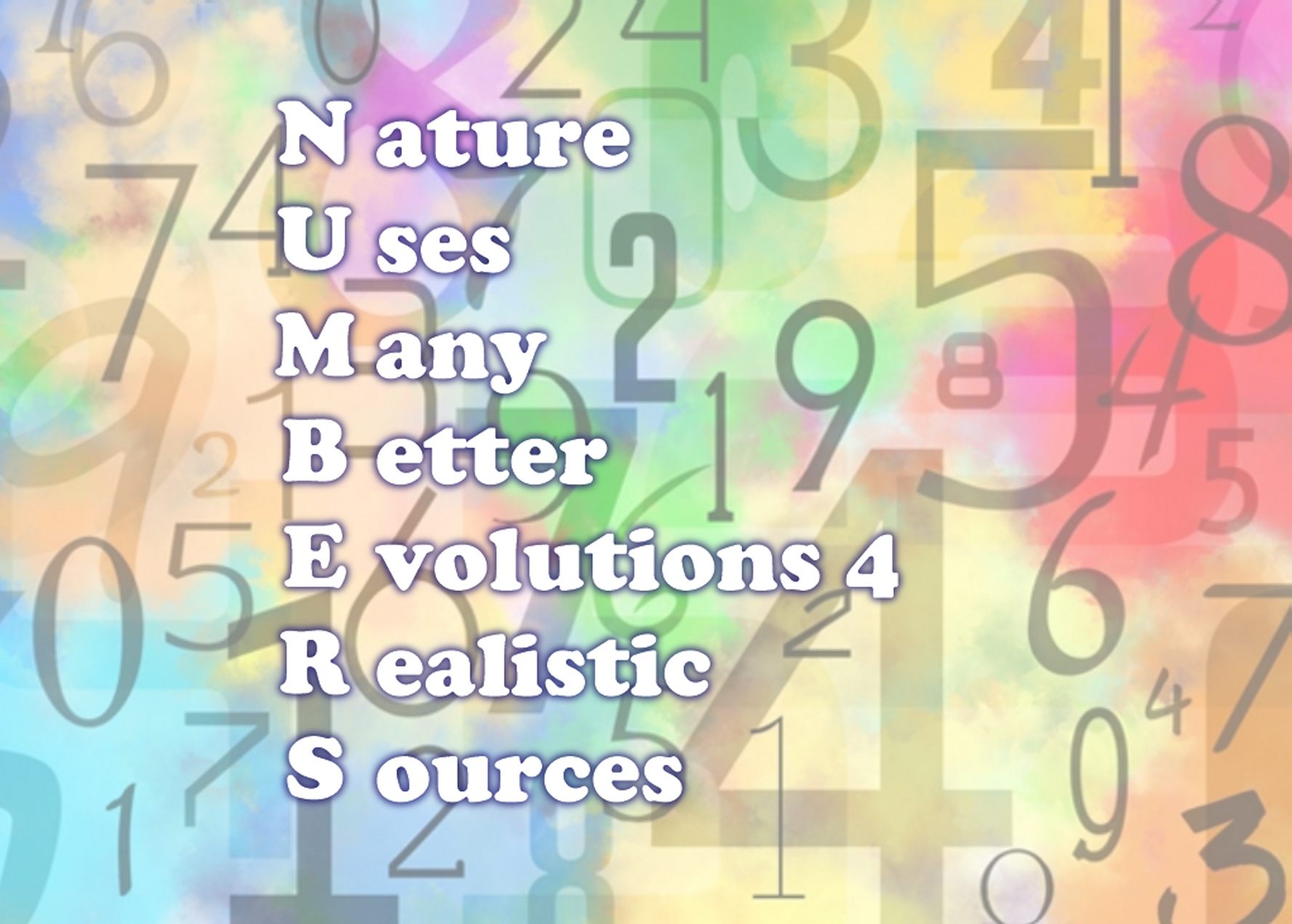
Numbers are a tool for humanity, but tools can be used for a positive and negative sense. Still, do not make the mistake of thinking that numbers are man's invention or definition. The number system evolved over thousands of years, but it was a gradual discovery, even forgotten over time as worldwide disasters wiped out civilizations.
The following excerpt of knowledge was given to me by Paul Bogaars on X:
0: The ONE and ALL Encompassing
Zero's the infinite void, the cosmic soup where it all begins. In Egypt, it's Nun, the primordial waters birthing creation. For Thoth, it's the source of his wisdom, the infinite mind he taps into. In the Vedas, it's Brahman, the formless absolute behind all existence. Buddhism's got sunyata, the emptiness that holds everything. Same deal - zero's the unity we all come from, the "ALL" that links every soul, but folks get hung up on whose name for it is "right."
1: The ONE and ALL - Singularity, the Self within the Whole
One's the spark of individuality, the unique self that's still part of the cosmic whole. Thoth, as the scribe of divine wisdom, reflects this in his singular focus, channeling the infinite into a single point of truth. In the Vedas, it's Atman, the individual soul mirroring Brahman's unity. Buddhism's anatta (non-self) flips it, showing the self as a fleeting wave in the ocean of all. One's the balance of being you and everything - yet egos cling to "me" versus "them," missing the harmony of singularity within the ALL.
2: Universal Law (Do unto Others as the Self)
Two's the balance of opposites, the cosmic rule to treat others as yourself. Thoth scribes this as Maat's harmony - live with truth, and the universe stays chill. In Hinduism, it's dharma, the ethical path of righteousness. Buddha's Golden Rule vibes here too: compassion for all beings. Whether it's Maat's feather or the Bhagavad Gita's call to selfless action, it's the same law - duality resolved through empathy. But egos love to argue whose version's holier instead of living it.
3: TRUTH
Three's the stable triad of truth. Egypt's Osiris-Isis-Horus trio mirrors the Vedas' Sat-Chit-Ananda (truth-consciousness-bliss). Thoth, as wisdom's god, embodies this truth, weighing hearts against Maat's feather. Buddha's Three Jewels (Buddha, Dharma, Sangha) point to the same reality. Everyone's chasing this ultimate truth, but scholars dissect myths like it's a cage match, missing the shared pulse of cosmic clarity.
4: FOUNDATION
Four's the rock-solid base - think Egypt's four pillars of creation or the Vedas' four aims of life (dharma, artha, kama, moksha). Thoth's knowledge builds the cosmic order, like the pyramids' perfect geometry. Buddhism's Four Noble Truths lay the groundwork for liberation. It's all about the foundation for spiritual growth, but people bicker over whose architecture's prettier instead of standing on it.
5: HOPE
Five's the spark of renewal, the human form reaching for the stars. In Egypt, it's Osiris rising, the Nile's cycles promising life. Thoth teaches transformation through wisdom. Hinduism's five elements fuel rebirth, while Buddha's five aggregates show the path to transcendence. Hope's the common thread - keep evolving, keep rising - but egos get stuck debating whose rebirth story wins.
6: HUMANITY
Six is us, the collective soul. Thoth's teachings unite communities under Maat's order. The Vedas sing of sangha, the shared human journey. Buddha's all about interconnectedness - your liberation lifts everyone. It's humanity as one big family, but folks would rather gatekeep their traditions than see we're all in this together.
7: Abundance
Seven's the overflow of blessings. Egypt's seven Hathors gift prosperity; Thoth's wisdom brings divine plenty. Hinduism's seven chakras unlock inner riches, and Buddhism's seven factors of enlightenment lead to spiritual wealth. Abundance flows from aligning with the cosmos, but egos hoard their "unique" rituals instead of sharing the vibe.
8: Infinity
Eight's the eternal loop - Ra's sun cycle, the ouroboros. Thoth's eternal knowledge guides souls through infinity. The Vedas' samsara and Buddhism's wheel of life both nod to endless cycles, with liberation as the goal. It's the same forever-flow, but people argue over whose infinity symbol's shinier.
9: LOVE
Nine's the ultimate - love binding it all. Isis' devotion to Osiris is Thoth's lesson in compassion. The Vedas' bhakti yoga and Buddhism's metta (loving-kindness) echo this. Love's the force uniting humanity with the divine, but egos turn it into tribalism, missing the universal heartbeat.