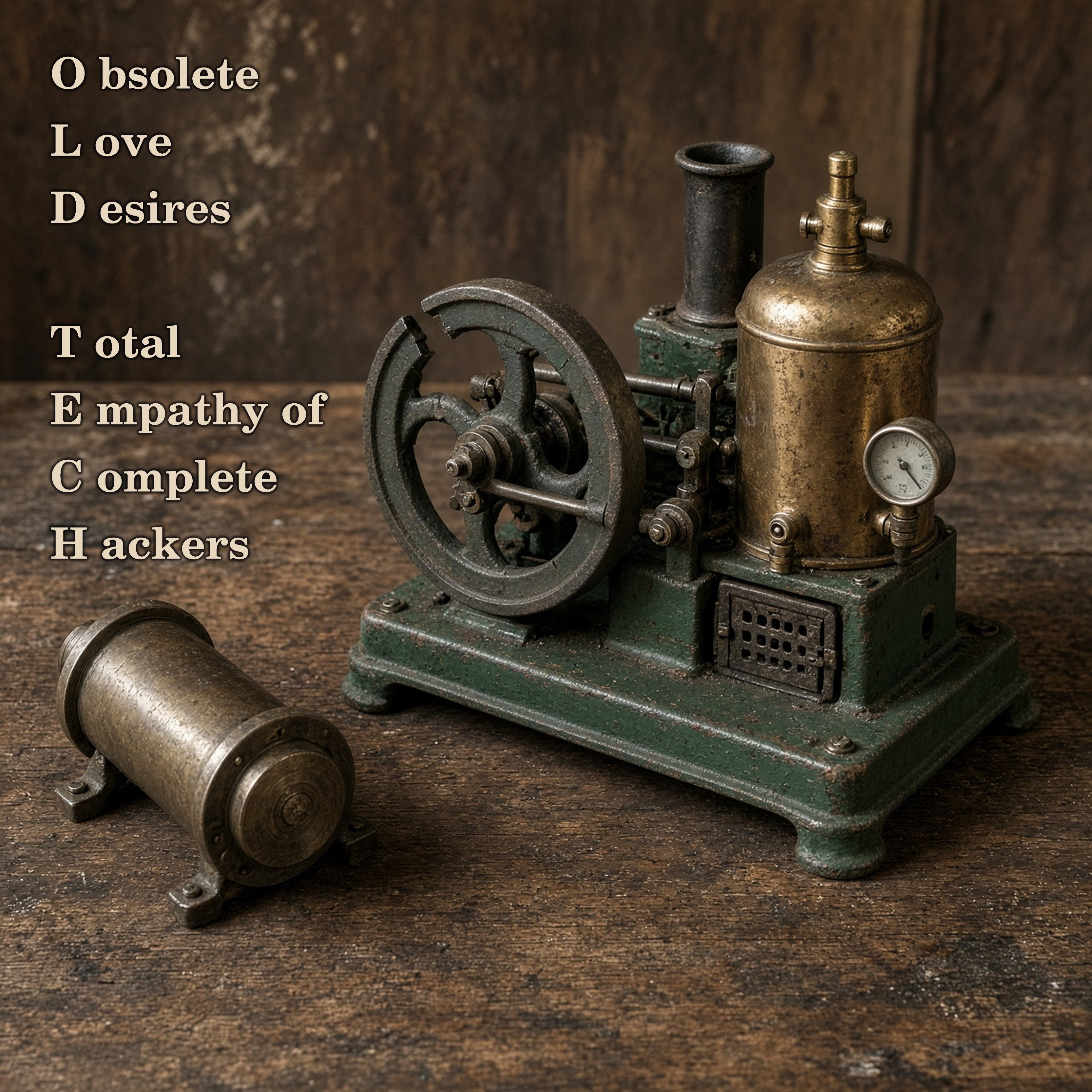
There is a certain kind of love that is not bound by time or place, and it is this love that has drawn me to the world of old technology. It is not the kind of love that is fueled by novelty or the latest trends, but rather by the enduring value and craftsmanship of things that have stood the test of time. I have always felt a deep connection to the past, to the analog world that seems to have been forgotten in the rush toward digital perfection. This love for obsolete technology is not merely sentimental—it is a desire to preserve, to understand, and to breathe new life into the relics of a bygone era.
When I think about the devices and systems that have long since been replaced by their modern counterparts, I am reminded of a time when technology was simpler, more tangible, and often more reliable. There is something about the physicality of old machines—the weight of a typewriter, the warmth of a CRT monitor, the hum of an old refrigerator—that evokes a sense of nostalgia and respect. I find myself drawn to these objects not just for their functionality, but for the stories they carry. Each one is a testament to human ingenuity, a piece of history that has outlived its original purpose and yet continues to exist in the world.
My affection for this kind of technology is not limited to the past; it is also a desire to engage with it in the present. I have spent countless hours repairing and restoring obsolete equipment, not for the sake of nostalgia alone, but because I believe in the value of reuse and sustainability. When I take an old device and bring it back to life, I am not just fixing a machine—I am restoring a part of history, giving it a second chance to serve its purpose. This process is deeply satisfying, both in its practicality and in its emotional resonance. It is a way of honoring the past while also contributing to a more conscious and responsible approach to technology in the present.
Despite my passion for old technology, I am not blind to the realities of the modern world. I understand the importance of innovation, the need for progress, and the role that cutting-edge tools play in shaping our future. However, I believe that there is a balance to be struck between embracing the new and preserving the old. The world of technology is constantly evolving, and it is natural for people to look toward the future for solutions. But I also believe that there is wisdom in the past, and that the lessons learned from older technologies can inform and enrich our understanding of the present. By integrating the old with the new, we can create a more holistic and sustainable approach to technology that honors both tradition and innovation.
One of the things that has always fascinated me about obsolete technology is its potential for creativity. When I work with old machines, I am not just restoring them—I am reimagining their purpose. I have found that there is a unique kind of satisfaction in repurposing old devices for new applications. Whether it is converting an old computer into a retro gaming console, or using a vintage typewriter as a design tool, I find that these projects allow me to explore the intersection of technology, art, and functionality. This kind of creativity is not limited to the technical aspects of the work; it also extends to the emotional and philosophical dimensions. There is a certain joy in breathing new life into something that was once thought to be obsolete, and in finding new meaning in objects that have been forgotten.
Ultimately, my fascination with obsolete technology is rooted in a desire for total empathy and understanding. I believe that technology should be more than just a tool—it should be a means of connection, a bridge between people and ideas. When I work with old machines, I am reminded of the human element that often gets lost in the pursuit of efficiency and performance. These devices, though outdated, carry with them a sense of history, a sense of purpose, and a sense of humanity that is often absent in the latest gadgets. By engaging with them, I am not just preserving technology—I am preserving the stories, the people, and the experiences that have shaped our technological journey. In this way, I hope to contribute to a more thoughtful and empathetic approach to technology, one that values both the past and the future.
And so, I find myself dreaming of a future where this passion for old technology can be more than just a hobby. I imagine a world where there is a dedicated space—a maker space or repair hub—where people can come to explore, learn, and create with both new and old technologies. This space would be a place where the wisdom of the past is honored, and where the potential of the future is explored. It would be a place where people can bring their broken devices, not just to be fixed, but to be understood. It would be a place where the boundaries between technology and human creativity are blurred, and where the act of making becomes a form of expression, a form of connection. I believe that such a space could be more than just a workshop—it could be a community, a movement, a way of living that embraces both the old and the new with equal measure.
BACK  HOME